
New Hampshire drivers experience some of the most dramatic seasonal temperature swings in the country, from freezing winter mornings to hot, humid summer days. These changes don’t just affect road conditions; they also have a direct impact on your vehicle’s battery.
Many drivers associate battery problems with winter, when cold temperatures can leave a car struggling to start. However, summer heat can be just as damaging, quietly shortening a battery’s lifespan and setting it up for failure later in the year.
Understanding how both winter and summer affect your car battery can help you avoid unexpected breakdowns, improve reliability, and extend the life of your vehicle..
How Car Batteries Work (and Why Temperature Matters)
Your car battery provides the electrical power needed to start the engine and run essential systems such as lights, electronics, and climate controls. It works through a chemical reaction between lead plates and an electrolyte solution, which generates the electricity your vehicle relies on.
Temperature plays a major role in how efficiently this process works.
In cold weather, the chemical reaction slows down, reducing the battery’s ability to produce power. At the same time, the engine requires more energy to start, creating a double strain on the battery.
In hot weather, the opposite happens. Heat speeds up the chemical reaction, but this can lead to increased internal wear, fluid loss, and long-term damage to the battery’s components..
Winter Battery Challenges in New Hampshire
Cold Cranking Power and Reduced Capacity
When temperatures drop, your battery loses a significant portion of its available power. Cold weather slows the internal chemical reactions, which means the battery produces less energy right when your vehicle needs it most.
At the same time, your engine requires more effort to start in cold conditions. This is measured by cold cranking amps (CCA) – a rating that indicates how well a battery can start an engine in low temperatures.
Increased Strain on the Battery
Winter driving also increases the demand on your battery. Systems such as the heater, defroster, heated seats, and headlights all draw additional power.
Short trips, which are common during colder months, can prevent the battery from fully recharging between starts, further reducing its overall performance.
Common Winter Battery Problems
Some of the most common signs of battery trouble during New Hampshire winters include:
- Slow or sluggish engine cranking
- Clicking sounds when turning the key
- Dim lights or weak electrical performance
- A complete no-start situation
These issues often appear suddenly during cold weather, especially if the battery is already weakened.
Summer Battery Challenges
Heat Accelerates Battery Wear
While winter tends to reveal battery problems, summer is often when the damage begins. High temperatures can cause battery fluid to evaporate and accelerate the breakdown of internal components. This process can weaken the battery over time, even if no immediate symptoms are noticeable.
Hidden Damage from Summer Driving
One of the biggest challenges with summer battery wear is that it often goes unnoticed. A battery that has been weakened by heat may still function normally during warm months but fail once colder temperatures arrive.
Increased Electrical Load
Summer driving also places additional demands on your vehicle’s electrical system. Air conditioning systems, cooling fans, and onboard electronics all require power from the battery and charging system. Over time, this increased load can contribute to wear, especially in older batteries.
Signs Your Battery May Be Failing
Recognizing the early signs of battery trouble can help you avoid getting stranded, especially during extreme weather.
Some common warning signs include:
- Slow engine start
- Dim headlights or electrical issues
- Dashboard warning light
- Corrosion on battery terminals (white or blue buildup)
- Battery age – most batteries last between 3–5 years, often less in New Hampshire’s climate
If you notice any of these symptoms, it may be time to have your battery tested. Catching issues early can help prevent unexpected failures during both hot summers and cold winters.
Seasonal Battery Maintenance Tips for NH Drivers
Keeping your battery in good condition year-round doesn’t require major effort, but it does require consistency. Because New Hampshire weather puts stress on batteries in both summer and winter, seasonal maintenance can make a meaningful difference in performance and lifespan.
Before temperatures drop, it’s a good idea to prepare your battery for cold-weather demands:
- Test the battery to ensure it has sufficient charge and capacity
- Clean battery terminals to remove corrosion and improve connections
- Check battery age – older batteries are more likely to fail in winter
- Secure the battery to prevent vibration and internal damage
- Park in a garage when possible to reduce exposure to extreme cold
Taking these steps before winter arrives can help prevent cold-weather starting issues.
Summer maintenance focuses more on preventing long-term damage from heat:
- Inspect for corrosion or swelling, which may indicate heat-related wear
- Keep the battery clean to avoid buildup that can trap heat
- Avoid frequent short trips, which don’t allow the battery to fully recharge
- Have the charging system checked to ensure proper performance
Routine checks during the summer can help preserve battery health and reduce the risk of winter failure.
Benefits of Professional Battery Testing and Service
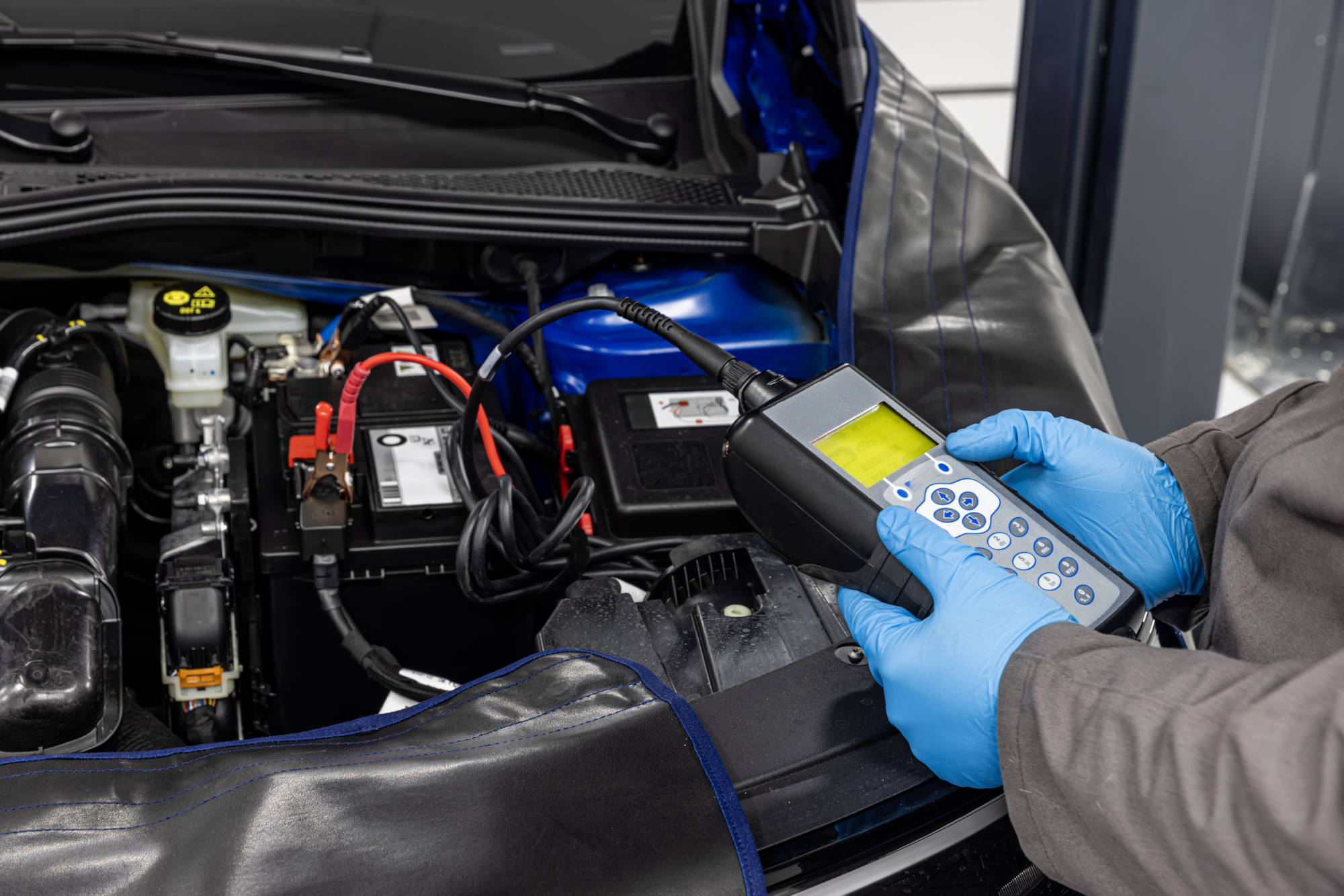
While basic visual checks can help identify some issues, professional battery testing provides a more complete picture of your battery’s condition.
A trained technician can perform tests that evaluate:
- Voltage levels
- Cold cranking performance
- Overall battery health under load
- Charging system function
These tests can detect weaknesses that may not be obvious during normal driving. In some cases, a battery may appear to be working fine but fail under stress – something that professional testing can reveal.
How Skip’s Garage Helps NH Drivers Stay on the Road
For drivers throughout New Hampshire, Skip’s Garage provides reliable battery services designed to keep vehicles running smoothly in every season. We offer battery testing and diagnostics, battery replacement, terminal cleaning and maintenance, and charging system inspections.
With experience handling the demands of New England weather, the team at Skip’s Garage understands how seasonal conditions affect vehicle performance. A quick battery check can help ensure your vehicle is ready for both summer heat and winter cold. If you want added peace of mind, scheduling a professional battery check at Skip’s Garage is a simple step that can help keep you on the road, no matter the season. Call us today to schedule your service!